Honeymoon in Japan: Kyoto and Tokyo promises an unforgettable journey blending ancient traditions with modern marvels. This itinerary explores the captivating beauty of Kyoto’s serene temples and gardens, contrasting sharply with the vibrant energy of Tokyo’s bustling streets and innovative architecture. From traditional tea ceremonies to exploring cutting-edge technology, this honeymoon offers a rich tapestry of experiences designed to create lasting memories for couples seeking a unique and romantic adventure.
Imagine strolling through Kyoto’s enchanting Gion district, witnessing geishas gracefully navigate the ancient streets, followed by a luxurious Kaiseki dinner. Then, picture the thrill of navigating Tokyo’s iconic Shibuya Crossing, followed by a quiet evening enjoying panoramic city views from a rooftop bar. This itinerary meticulously balances cultural immersion with modern excitement, ensuring a truly unforgettable honeymoon experience.
Urban Architecture Tours
Exploring the urban landscapes of Kyoto and Tokyo offers a fascinating journey through contrasting architectural styles, reflecting the cities’ rich histories and modern dynamism. This section details architectural styles unique to each city and suggests potential walking routes or guided tours to experience them firsthand.Kyoto’s architecture is a captivating blend of tradition and understated elegance, while Tokyo showcases a dramatic juxtaposition of ancient imperial structures and cutting-edge modern design.
Both cities provide exceptional opportunities for architectural exploration.
Kyoto’s Architectural Heritage
Kyoto, the former imperial capital, boasts a wealth of traditional architecture. Wooden temples, with their intricate details and serene atmosphere, represent a significant portion of this architectural legacy. These structures, often employing complex joinery techniques without nails, showcase the mastery of traditional Japanese carpentry. The elegant simplicity of
- machiya* houses, traditional wooden townhouses with their characteristic narrow facades and internal courtyards, also exemplifies Kyoto’s architectural identity. These houses, originally designed for merchant families, often feature sliding doors (*shoji*) and translucent paper screens (*fusuma*), creating a sense of fluidity between interior and exterior spaces. The use of natural materials like wood, paper, and bamboo further enhances the harmonious integration of these structures within the city’s natural environment.
A walking tour along the streets of Gion, known for its well-preserved
- machiya* houses, or a visit to Kiyomizu-dera temple, with its iconic wooden stage, would provide an immersive experience. A guided tour focusing on temple architecture could offer in-depth explanations of the construction techniques and historical significance of these remarkable buildings.
Tokyo’s Architectural Diversity
Tokyo’s architectural landscape is a vibrant tapestry woven from diverse threads. Modern skyscrapers, often showcasing innovative designs and sustainable technologies, dominate the skyline, a testament to the city’s rapid modernization and technological advancements. The Imperial Palace, with its blend of traditional and modern elements, stands as a symbol of Japanese imperial history and continuity. The palace grounds, while not entirely open to the public, offer glimpses into traditional Japanese architecture and landscape design.
Unique urban designs, such as the meticulously planned neighborhoods of Shibuya or the futuristic aesthetic of Odaiba, exemplify Tokyo’s forward-looking approach to urban development. A guided walking tour through the Shinjuku area, known for its towering skyscrapers, could provide insights into modern architectural trends. Alternatively, exploring the Imperial Palace East Garden and contrasting it with the nearby modern structures would offer a powerful comparison of architectural styles across different eras.
A focused tour on the architectural evolution of Tokyo could provide a comprehensive understanding of the city’s dynamic architectural history.
Street Food and Markets
A culinary journey through Japan wouldn’t be complete without experiencing the vibrant street food scenes and bustling markets of Kyoto and Tokyo. These offer a captivating blend of traditional flavors and modern culinary innovation, providing a delicious window into Japanese culture. The markets themselves are a spectacle, a sensory overload of sights, smells, and tastes, showcasing the country’s rich agricultural heritage and culinary artistry.
Kyoto’s Street Food Delights
Kyoto, steeped in history and tradition, boasts a unique street food culture. While perhaps less overtly flashy than Tokyo, Kyoto’s offerings are characterized by their refined elegance and emphasis on seasonal ingredients. Nishiki Market, often called “Kyoto’s Kitchen,” is the heart of this culinary scene. Here, you can find an array of meticulously prepared delicacies, from pickled vegetables and fresh seafood to expertly crafted sweets.
Beyond Nishiki, smaller, local markets and street vendors offer equally enticing treats, often featuring unique regional specialties. The emphasis is on quality and freshness, reflecting Kyoto’s reputation for culinary excellence.
Tokyo’s Diverse Street Food Landscape
Tokyo’s street food scene is a whirlwind of activity and flavor, a vibrant tapestry woven from countless culinary traditions. From the iconic ramen stalls to the modern takoyaki stands, the options are seemingly endless. The city’s bustling markets, such as Tsukiji Outer Market (the inner wholesale market has relocated), offer a vast selection of fresh produce, seafood, and prepared foods.
Here, you can witness the energy and precision of Japanese culinary preparation firsthand. Beyond the markets, Tokyo’s streets are alive with a multitude of smaller vendors, each offering a unique taste of the city’s diverse culinary landscape. The sheer variety is astonishing, reflecting Tokyo’s status as a global culinary capital.
Popular Street Food Items in Kyoto and Tokyo
| Food Item | Location | Description |
|---|---|---|
| Yakisoba | Kyoto & Tokyo | Stir-fried noodles, often with meat and vegetables. A popular and versatile dish found throughout Japan. |
| Takoyaki | Tokyo | Ball-shaped snacks filled with octopus, tempura scraps, and green onions. Often served with a savory sauce. |
| Ramen | Kyoto & Tokyo | A quintessential Japanese noodle soup, with variations across regions and establishments. |
| Tempura | Kyoto & Tokyo | Lightly battered and deep-fried seafood and vegetables. A classic Japanese dish known for its delicate texture. |
| Mochi | Kyoto & Tokyo | Sweet rice cakes, often filled or coated with various flavors. A traditional Japanese confection. |
| Dango | Kyoto & Tokyo | Small, sweet dumplings made from mochiko (rice flour). Often served on a skewer with various sauces. |
| Tsukemono (Pickled Vegetables) | Kyoto (especially Nishiki Market) | A wide variety of pickled vegetables, offering a variety of textures and flavors. A staple in Japanese cuisine. |
| Taiyaki | Tokyo | Fish-shaped waffles filled with sweet red bean paste or custard. A popular street food treat. |
City Travel Hacks
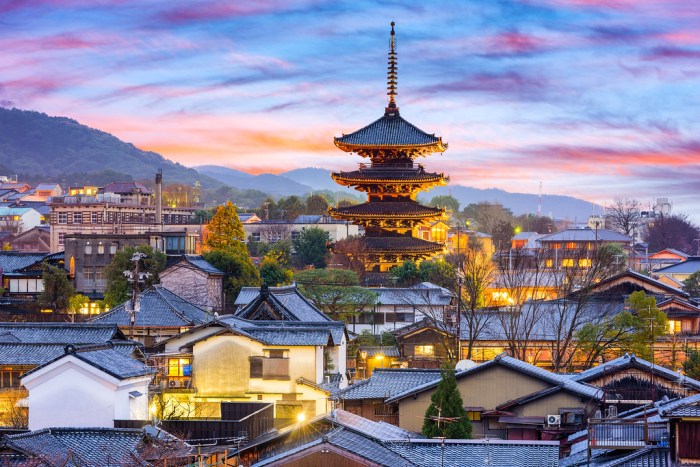
Navigating Kyoto and Tokyo efficiently requires strategic planning and the utilization of readily available resources. This section offers practical tips to maximize your time and minimize expenses while experiencing the best of both cities. Understanding local customs and leveraging technology are key components to a smooth and enjoyable trip.
Effective travel hinges on preparation and informed decision-making. By adopting these strategies, you can significantly enhance your overall travel experience in Japan.
Pocket WiFi and SIM Cards
Securing reliable internet access is crucial for navigation, communication, and accessing helpful apps. Pocket WiFi rentals are readily available at airports and various rental shops throughout the cities. Alternatively, purchasing a local SIM card offers a more cost-effective solution for longer stays. Both options provide consistent connectivity, enabling seamless use of translation apps, mapping services, and online booking platforms.
Consider comparing prices and data allowances before making a decision; a 7-day unlimited data plan might be sufficient for most travelers.
Transportation Passes
Kyoto and Tokyo boast extensive and efficient public transportation networks. Purchasing a suitable transportation pass can offer significant cost savings, especially if you plan on frequent travel within the city. For example, the ICOCA card in Osaka and the Suica/Pasmo cards in Tokyo are rechargeable cards usable on various modes of transport, including trains, buses, and subways. Research the different pass options available and choose the one that best suits your itinerary and travel style.
Pre-purchasing these cards online can sometimes save time upon arrival.
Understanding Local Customs
Respecting local customs enhances your travel experience and fosters positive interactions with locals. Bowing is a common greeting, and removing your shoes before entering homes, temples, and some restaurants is customary. Learning basic Japanese phrases, such as “arigato” (thank you) and “sumimasen” (excuse me), is appreciated and demonstrates cultural sensitivity. Being mindful of noise levels, especially in residential areas, is also essential.
Familiarity with these customs contributes to a more respectful and enriching trip.
Mobile Applications, Honeymoon in Japan: Kyoto and Tokyo
Several mobile apps significantly enhance the travel experience in Japan. HyperDia, for example, is a comprehensive train schedule app that helps plan journeys across different lines and provides real-time updates. Google Translate can assist with language barriers, and maps apps like Google Maps are invaluable for navigation. Consider downloading currency conversion apps and apps that provide information on local attractions and restaurants.
Utilizing these tools can streamline your travel planning and provide real-time assistance during your trip. Remember to download necessary apps before arrival to avoid relying solely on in-country wifi.
Metro Adventures
Navigating Tokyo’s sprawling subway system can initially seem daunting, but with a little preparation and understanding, it becomes a surprisingly efficient and even enjoyable way to explore the city. The sheer scale of the network, encompassing multiple private lines alongside the Tokyo Metro and Toei Subway, is impressive, but its organization and cleanliness make it remarkably user-friendly.The experience of riding the Tokyo Metro is a blend of modern efficiency and subtle cultural nuances.
Trains arrive with remarkable punctuality, often within seconds of the scheduled time. The carriages themselves are generally clean, quiet, and well-maintained, often featuring sleek, minimalist designs. Passengers are typically respectful and quiet, creating a calm atmosphere even during peak hours. Observing the subtle etiquette, such as giving up seats to the elderly or pregnant, adds to the overall experience.
Efficient Subway Navigation
Efficiently using Tokyo’s subway system requires a few key strategies. First, acquiring a Suica or Pasmo card is essential. These rechargeable cards eliminate the need to purchase individual tickets for each journey, simplifying the process significantly. Secondly, utilizing navigation apps like Google Maps or HyperDia is highly recommended. These apps provide real-time information on train schedules, platform numbers, and potential delays, ensuring a smooth journey.
Finally, familiarize yourself with the different lines and their routes before embarking on your journey. While the system is well-marked, a little prior planning can save valuable time.
Safety Considerations
Safety on the Tokyo Metro is a high priority. The system is generally very safe, with clear signage, security personnel, and a generally respectful atmosphere. However, common-sense precautions should still be taken. Be aware of your surroundings, especially during peak hours when trains can be crowded. Keep valuables secure and avoid using your phone excessively to prevent theft or accidents.
Finally, be mindful of the etiquette, such as avoiding loud conversations or eating on the train.
Visual Experience of the Tokyo Metro
The visual experience of riding the Tokyo Metro is often understated yet striking. The stations themselves are frequently clean and well-lit, often incorporating modern architectural designs. Many stations feature distinctive artwork or displays, adding a touch of local character to the functional design. Inside the trains, the clean, minimalist aesthetic is prevalent. The seating is typically comfortable and arranged in a manner that maximizes space efficiency.
The announcements, made in Japanese and English, are clear and easy to understand, adding to the overall sense of order and efficiency. The overall impression is one of calm, controlled efficiency, reflecting the city’s meticulous attention to detail.
Skyscraper Destinations
Tokyo’s skyline is a breathtaking tapestry woven from countless skyscrapers, each a testament to architectural innovation and engineering prowess. These towering structures offer not only stunning panoramic views but also a unique perspective on the city’s dynamic energy and intricate urban fabric. Exploring these iconic buildings provides an unforgettable experience, allowing visitors to appreciate Tokyo’s blend of traditional and modern aesthetics from a truly elevated vantage point.Exploring Tokyo’s skyscrapers provides a unique perspective on the city’s dynamic energy and intricate urban fabric.
The observation decks offer unparalleled views, allowing visitors to appreciate the blend of traditional and modern aesthetics from a truly elevated vantage point.
Tokyo Metropolitan Government Building Observation Decks
The Tokyo Metropolitan Government Building, a pair of symmetrical towers, offers free access to its observation decks, providing panoramic views of the city. The expansive vista encompasses iconic landmarks such as the Tokyo Skytree, Mount Fuji (on a clear day), and the sprawling cityscape. The decks are spacious, allowing ample room for visitors to take in the view without feeling crowded.
The atmosphere is generally lively, with a mix of locals and tourists enjoying the spectacle. The height, while not the tallest in Tokyo, provides a comprehensive view that balances detail with a broader perspective of the city’s layout.
Tokyo Skytree
The Tokyo Skytree, currently the tallest structure in Japan, boasts multiple observation decks at different heights, offering varying perspectives. The Tembo Galleria and Tembo Deck provide breathtaking 360-degree views extending far beyond the city limits. The architectural significance lies in its innovative design, incorporating traditional Japanese elements with modern engineering techniques. The experience here is one of awe and wonder, the sheer height and vastness of the view creating a sense of both scale and tranquility.
The atmosphere is more refined than some other observation points, reflecting the building’s status as a landmark.
Mori Tower Observation Deck (Roppongi Hills)
Located within the Roppongi Hills complex, the Mori Tower observation deck offers a sophisticated viewing experience. Its architectural design seamlessly integrates with the surrounding modern development, showcasing a harmonious blend of urban planning and high-rise architecture. The views are exceptional, with a strong focus on the city’s vibrant nightlife district. The atmosphere is often more upscale, reflecting the upscale nature of the Roppongi Hills area itself.
The views, while not as expansive as those from the Tokyo Skytree, provide a more focused perspective on the city’s modern heart.
Comparing Views and Experiences
Each skyscraper observation deck offers a unique perspective and experience. The Tokyo Metropolitan Government Building provides a broad, comprehensive view, ideal for understanding the city’s layout. The Tokyo Skytree offers the highest vantage point and the most expansive view, reaching far beyond the city itself. The Mori Tower offers a more focused view, concentrating on the modern and vibrant Roppongi Hills area.
The choice of which to visit depends on individual preferences and the specific aspects of Tokyo one wishes to see. The feeling of being in these skyscrapers is invariably one of awe and wonder, the vastness of the city unfolding below.
Urban Photography Tips: Honeymoon In Japan: Kyoto And Tokyo
Capturing the essence of Kyoto and Tokyo through photography requires a keen eye for detail and an understanding of how light and composition can transform an ordinary scene into a breathtaking image. This guide offers practical advice for enhancing your urban photography experience in these vibrant Japanese cities. It focuses on techniques applicable to various locations, from ancient temples to bustling modern intersections.Kyoto’s serene temples and traditional streets offer a wealth of photographic opportunities.
Tokyo’s dynamic cityscape, on the other hand, presents a contrasting challenge, demanding a different approach to capture its unique energy. By understanding these nuances and employing effective photographic techniques, you can create compelling images that truly reflect the spirit of each city.
Kyoto: Temples, Gardens, and Traditional Streets
Kyoto’s charm lies in its meticulous detail and the serene atmosphere it exudes. To capture this, consider the following:Seek out the soft, diffused light of early morning or late afternoon to avoid harsh shadows that can detract from the delicate beauty of the temples and gardens. The golden hour, the period shortly after sunrise and before sunset, casts a warm, inviting glow that enhances the colours and textures of the architecture and landscaping.
Imagine a photograph of Kinkaku-ji (Golden Pavilion) bathed in the soft golden light of the setting sun, reflecting beautifully on the pond’s surface. The reflective surfaces of the water will add depth and vibrancy to your shot.Utilize leading lines to draw the viewer’s eye into the scene. The pathways winding through bamboo forests or the carefully manicured gardens offer excellent opportunities to use these lines effectively.
A photograph of a pathway leading towards a distant temple gate, with the path creating a visual line leading the eye directly to the subject, creates a compelling sense of depth and journey.Pay attention to composition, employing the rule of thirds to create a balanced and visually appealing image. Avoid placing your subject directly in the center; instead, position it along one of the intersecting lines of the rule of thirds grid for a more dynamic composition.
A photograph of a serene Zen garden, with carefully raked gravel and moss, positioned according to the rule of thirds, will create a more balanced and visually pleasing image.
Tokyo: Shibuya Crossing, Shinjuku Gyoen, and Modern Architecture
Tokyo’s modern architecture and vibrant street life offer a different photographic challenge, demanding a focus on capturing energy and dynamism.Mastering the art of capturing the energy of Shibuya Crossing requires fast shutter speeds to freeze the motion of the crowds. A high ISO setting may be necessary to maintain sufficient exposure in low light conditions. Imagine a photograph of the iconic scramble crossing, with hundreds of people crossing in all directions, frozen in time by a fast shutter speed, showcasing the sheer energy of the scene.
The use of a wide-angle lens will also help capture the vastness of the intersection.In contrast, Shinjuku Gyoen National Garden offers a tranquil escape from the urban bustle. Here, a softer approach, similar to that used in Kyoto, is more suitable. Employing natural light during the golden hours will enhance the colours and textures of the garden’s flora.
A long exposure photograph of a pond within the garden, with its reflections of trees and sky, can create a sense of serenity and calm.When photographing Tokyo’s modern architecture, consider using strong geometric lines and contrasting colours to create visually striking images. Experiment with different angles and perspectives to highlight the unique architectural details. A photograph of the Tokyo Metropolitan Government Building at night, with its illuminated glass facade contrasting against the dark cityscape, will highlight the sleek lines and modern design.
The use of a long exposure at night will enhance the effect of the city lights.
Using Lighting and Composition to Enhance Photographs
Effective lighting and composition are crucial for creating stunning photographs in both Kyoto and Tokyo.Mastering the use of natural light is paramount. The golden hour, as previously mentioned, offers the most flattering light, enhancing colours and creating a warm atmosphere. Overcast days provide soft, diffused light ideal for photographing details and avoiding harsh shadows. Backlighting can be used creatively to create silhouettes and highlight textures.
A photograph of a cherry blossom tree backlit by the setting sun, creating a silhouette against the bright sky, will highlight the delicate branches and blossoms.Composition plays a vital role in guiding the viewer’s eye and conveying the intended message. The rule of thirds, leading lines, and framing techniques can all be used to create visually engaging images.
Experiment with different angles and perspectives to find the most compelling viewpoint. A photograph taken from a unique angle, such as from above or below, can add a fresh perspective to a familiar scene.
Urban Parks and Green Spaces
Exploring Japan’s vibrant cities reveals a surprising abundance of tranquil oases, offering respite from the bustling urban environments. Kyoto and Tokyo, renowned for their modern architecture and technological advancements, also boast a rich collection of meticulously maintained parks and gardens, each with its unique character and historical significance. These green spaces provide invaluable opportunities for relaxation, reflection, and a deeper connection with Japanese culture and nature.
Kyoto’s Notable Parks and Gardens
Kyoto, steeped in history and tradition, offers a diverse range of parks and gardens reflecting its rich cultural heritage. These spaces, often incorporating traditional Japanese landscaping principles, provide a serene counterpoint to the city’s historical temples and bustling streets.
Among the most celebrated are:
- Kiyomizu-dera Temple Gardens: These gardens, situated on the grounds of the iconic Kiyomizu-dera Temple, offer stunning views of the city alongside beautifully arranged landscapes featuring meticulously pruned trees and carefully placed rocks, reflecting the temple’s spiritual significance. The wooden stage of the temple itself forms a dramatic backdrop to the gardens.
- Kenrokuen Garden: Widely considered one of Japan’s three most beautiful landscape gardens, Kenrokuen showcases a masterful blend of traditional Japanese garden styles. Its expansive grounds feature ponds, meticulously raked gravel, and a diverse collection of trees and plants, each carefully placed to create a harmonious and visually stunning landscape. Seasonal changes dramatically alter the garden’s appearance, making it a year-round destination.
- Ryoan-ji Temple’s Rock Garden: This Zen garden is renowned for its minimalist design, featuring fifteen rocks arranged in a bed of carefully raked gravel within a rectangular enclosure. The garden’s simplicity invites contemplation and offers a profound sense of peace and tranquility, embodying the principles of Zen Buddhism.
Tokyo’s Urban Green Escapes
Tokyo, a megacity known for its dense urban fabric, surprisingly offers numerous parks and green spaces that provide welcome escapes from the city’s frenetic energy. These parks vary in style and size, catering to diverse interests and needs.
Several noteworthy examples include:
- Shinjuku Gyoen National Garden: This expansive garden, located in the heart of bustling Shinjuku, is a remarkable oasis of calm. It features three distinct garden styles: English landscape, French formal, and traditional Japanese. The diversity of styles, combined with its size, offers a wide range of experiences within a single location.
- Ueno Park: One of Tokyo’s largest parks, Ueno Park is a vibrant public space offering a diverse range of attractions, including museums, temples, a zoo, and expansive lawns. Its size and diverse offerings make it a popular destination for both recreation and cultural exploration.
- Inokashira Park: Located in the western suburbs of Tokyo, Inokashira Park offers a more relaxed and natural atmosphere. Its picturesque lake is a focal point, offering opportunities for boating and enjoying the serene surroundings. The park also features walking trails and lush greenery, providing a refreshing escape from the city’s concrete jungle.
Comparative Overview of Parks
The following table provides a brief comparison of the parks discussed:
| Park | Location | Approximate Size (hectares) | Key Features | Accessibility |
|---|---|---|---|---|
| Kiyomizu-dera Temple Gardens | Kyoto | Relatively small | Temple views, traditional landscaping | Easy, well-connected |
| Kenrokuen Garden | Kanazawa (near Kyoto) | Large | Diverse landscaping styles, ponds, seasonal beauty | Easy, well-connected |
| Ryoan-ji Temple’s Rock Garden | Kyoto | Small | Minimalist Zen garden, contemplation space | Easy, well-connected |
| Shinjuku Gyoen National Garden | Tokyo | Large | Three distinct garden styles, diverse flora | Easy, well-connected |
| Ueno Park | Tokyo | Very Large | Museums, zoo, temples, expansive lawns | Easy, well-connected |
| Inokashira Park | Tokyo | Large | Lake, walking trails, natural atmosphere | Easy, well-connected |
A honeymoon in Kyoto and Tokyo offers a remarkable blend of cultural immersion and modern excitement, providing an unparalleled romantic escape. From the serene beauty of Kyoto’s ancient temples to the electrifying energy of Tokyo’s vibrant cityscape, this journey promises a diverse range of experiences tailored for couples seeking both tranquility and adventure. The carefully curated itinerary, encompassing transportation logistics and unique cultural activities, guarantees a seamless and unforgettable honeymoon experience, leaving couples with memories to cherish for a lifetime.
User Queries
What is the best time of year to visit Japan for a honeymoon?
Spring (March-May) and Autumn (September-November) offer pleasant weather and fewer crowds, making them ideal for a honeymoon.
How much should we budget for a 7-day honeymoon in Kyoto and Tokyo?
Budgeting depends on your preferences, but expect to spend between $3,000-$7,000 USD per couple, excluding flights.
Do we need a visa to visit Japan?
Visa requirements vary by nationality. Check the Japanese embassy website for your specific country.
What’s the best way to learn basic Japanese phrases before our trip?
Use language learning apps like Duolingo or Memrise, or consider a short introductory course.